
Best time to visit Sagrada Familia: the short answer
Choose the first available weekday entry for fewer crowds, or a sunny late afternoon for warm stained-glass light. May and September offer a good balance of weather and demand. Allow 1.5–2 hours inside, longer with a tower visit, and check seasonal closing times before booking.
Visitor perspective: this guide incorporates a supplied transcript of visitor accounts, not a personal visit by the author. Those accounts highlight security queues, separate tower time slots and the difference sunshine makes to the stained glass. Experiences vary; official ticket conditions take precedence.
Antoni Gaudí's Sagrada Familia is Barcelona's most iconic landmark and one of the most visited attractions in Europe. With over 4 million visitors annually, choosing the best time to visit Sagrada Familia can mean the difference between a peaceful, awe-inspiring experience and a stressful, crowded one.
The good news? There is no "bad" time to visit this architectural masterpiece. But there are certainly times that are better than others. Whether you want to avoid long queues, capture the perfect photograph, or simply soak in the spiritual atmosphere, this guide will help you plan the perfect visit.
Sagrada Familia opening hours by season
| Season | Monday–Friday | Saturday | Sunday |
|---|---|---|---|
| November–February | 09:00–18:00 | 09:00–18:00 | 10:30–18:00 |
| March and October | 09:00–19:00 | 09:00–18:00 | 10:30–19:00 |
| April–September | 09:00–20:00 | 09:00–18:00 | 10:30–20:00 |
25 and 26 December, 1 and 6 January: 09:00–14:00. Special events can change hours. These are opening hours, not guaranteed ticket slots; allow enough time before closing. All times are local Barcelona time. Checked 20 September 2026.
2026: A Historic Year for the Sagrada Familia
Before we dive into timing, here's something crucial: 2026 is a landmark year for the Sagrada Familia. After 144 years of construction, the Tower of Jesus Christ is officially reaching its full height, making the Sagrada Familia the tallest church in the world. This coincides with the centenary of Gaudí's passing.
What does this mean for you? 2026 will be the busiest year ever for the basilica. If you're planning to visit, booking tickets 4 to 6 weeks in advance is strongly recommended. This historic milestone makes choosing the right time to visit more important than ever.
Best Time of Year to Visit Sagrada Familia
Spring (April – June): The Overall Winner
For most visitors, spring is the absolute best time to visit Sagrada Familia. Here's why:
- Weather: Pleasant temperatures ranging from 15°C to 22°C (59°F to 72°F)
- Sunlight: Increasing chance of sunny days for optimal light effects inside the basilica
- Crowds: Manageable compared to summer peak season
- Atmosphere: The city feels lively with spring energy
May and September are particularly recommended for the best balance of light and mild weather.
Autumn (September – October): The Smart Alternative
Autumn is the second-best choice and often preferred by seasoned travelers. The weather remains warm but not hot, crowds begin to thin after the summer rush, and ticket prices are more reasonable. The golden autumn light filtering through the stained glass creates truly magical interior scenes.
Winter (November – February): The Quiet Option
If your priority is avoiding crowds above all else, winter is your best bet. You'll find:
- Fewer tourists overall
- Easier ticket availability
- Beautiful midday light
- A special atmosphere, especially around Christmas
However, be aware that winter has shorter opening hours (9:00 AM to 6:00 PM) and the weather can be cooler.
Summer (June – August): The One to Avoid (If Possible)
Summer is the most crowded and hottest time to visit. If you must visit during summer:
- Book tickets at least two weeks in advance
- Visit early morning (9:00 AM) or after 4:00 PM
- Expect long queues even with timed entry
- Be prepared for heat, especially if climbing the towers
Best Day of the Week to Visit
The day you choose matters almost as much as the season.
Weekdays (Tuesday – Thursday): The Sweet Spot
Tuesday and Wednesday are the quietest days to visit the Sagrada Familia. Monday through Thursday generally see fewer visitors than Fridays or weekends.
Weekends: Best Avoided
Weekends are packed from morning till night. Sundays are particularly busy due to the international mass. If you visit on a Sunday, note that tourist visits are restricted during religious services.
Best Time of Day to Visit Sagrada Familia
This is where things get interesting. The best time of day to visit Sagrada Familia depends on what you value most: fewer crowds or the most spectacular light.
Early Morning (9:00 – 10:00 AM): Best for Avoiding Crowds
For most experts, the best time of day to visit La Sagrada Familia is first thing in the morning.
- Crowds: The lowest of the day
- Queue: Shortest waiting time
- Atmosphere: Calm and peaceful
- Lighting: Soft morning light creating a fresh, spiritual atmosphere
Late Afternoon (4:00 – 6:00 PM): Best for Stunning Light
If photography is your priority, late afternoon is the best time of day to visit Sagrada Familia.
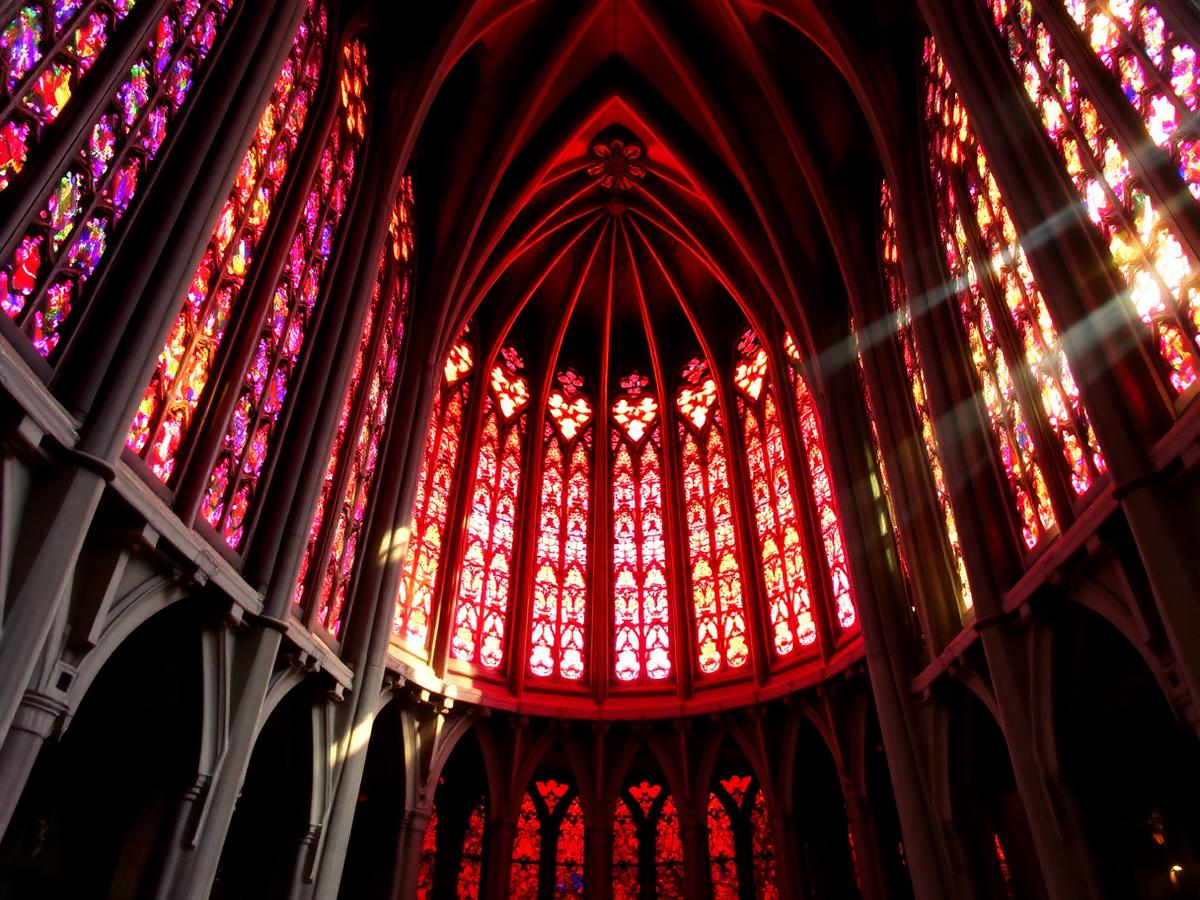
- Lighting: The sun hits the western stained-glass windows, filling the interior with warm reds, oranges, and golds
- Atmosphere: Dreamlike and breathtaking
- Crowds: Medium, as the morning rush has passed
Between 4:00 PM and 6:00 PM, the western windows "set the interior on fire" with warm tones. In autumn and winter, this peaks around 4:00 to 6:00 PM; in spring and summer, it shifts later to 5:00 to 7:00 PM.
Midday (11:00 AM – 3:00 PM): Best Avoided
This is the peak crowding window. Between 11:00 AM and 2:00 PM, crowds are at their highest. From 2:00 to 4:00 PM, crowds remain significant, though the afternoon light begins to improve.
The Light Effect: Morning vs. Afternoon
The Sagrada Familia's stained-glass windows are the soul of the basilica. Depending on the time of day, the interior transforms completely:
| Time | Façade | Light Effect | Best For |
|---|---|---|---|
| Morning | Nativity Façade (east-facing) | Blue and green tones | Spiritual atmosphere, quieter visit |
| Midday | Glory Façade (south-facing) | Direct overhead light | General viewing |
| Late Afternoon | Passion Façade (west-facing) | Orange, red, and gold tones | Photography, dramatic interior |
For the Nativity Façade (Outside)
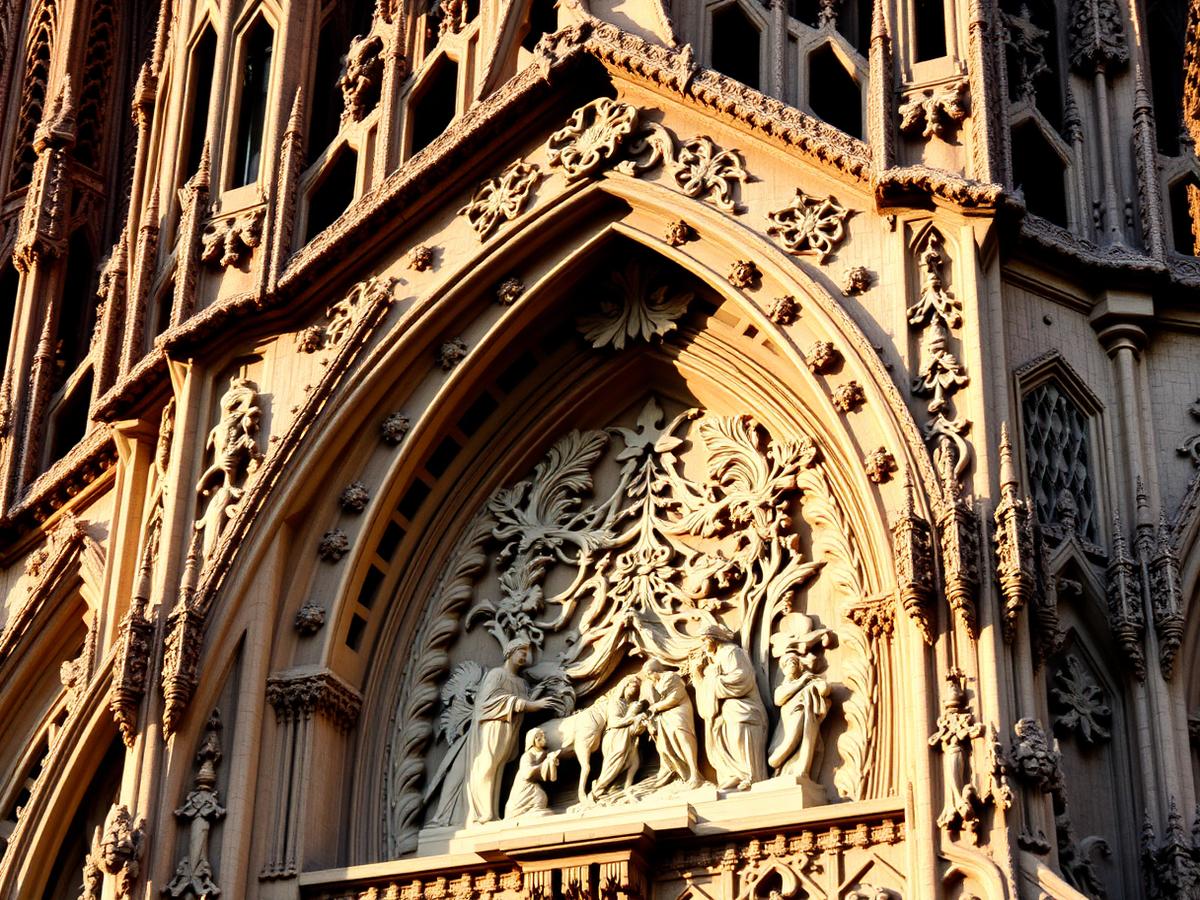
If you want to photograph the Nativity Façade (the only façade Gaudí saw completed), morning is best when direct sunlight hits it.
For the Passion Façade (Outside)
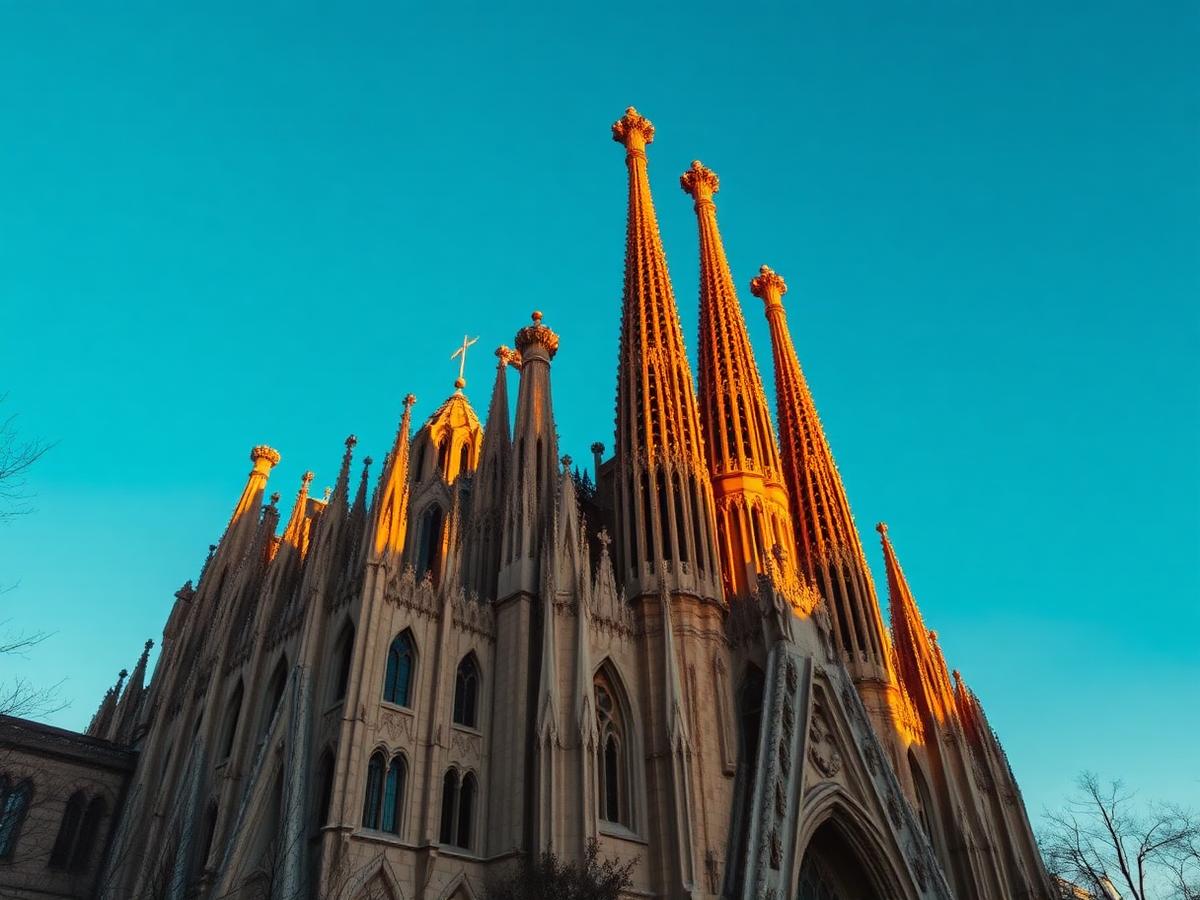
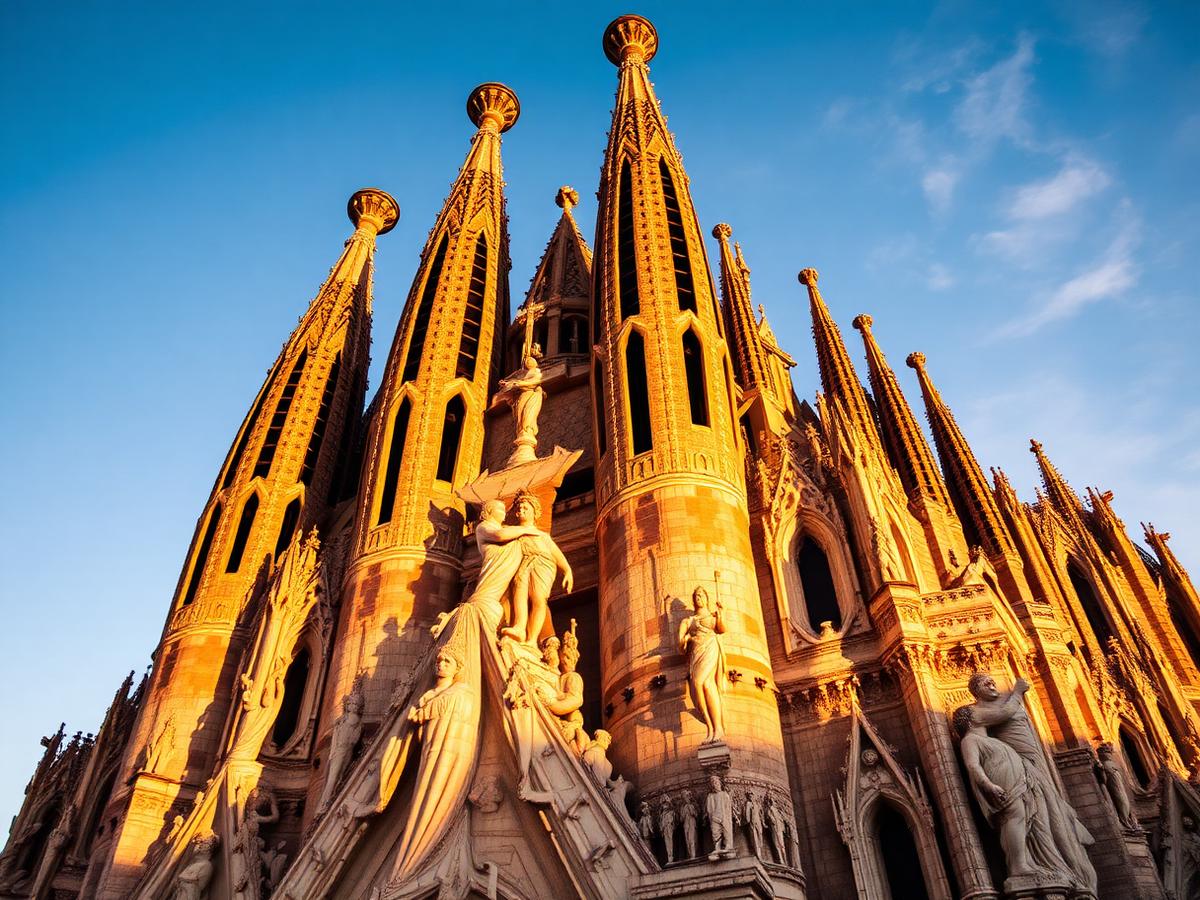
For the Passion Façade, late afternoon/golden hour provides the most dramatic lighting.
Ticket Booking: The Most Important Tip
You cannot buy tickets on-site at the Sagrada Familia. Tickets must be purchased in advance through the official website.
Ticket Prices (2025 / 2026)
| Ticket Type | Price |
|---|---|
| Basic entry | €26 |
| With audio guide | €33 |
| With tower access | €36 |
Booking Timeline
- Standard: Book at least a week in advance
- Peak season: Book two weeks in advance
- 2026 (historic year): Book 4–6 weeks in advance
The official website is sagradafamilia.org.
How Long Does a Visit Take?
Plan for 2 to 3 hours for a complete visit. If you're climbing the towers, allow additional time.
Suggested Route
- Enter and pause – Take a moment at the entrance to look up at the ceiling's forest-like columns
- Follow the visitor path – The route is well-designed and easy to follow
- Visit the museum – Located in the basement, displaying Gaudí's original sketches and architectural models
- Climb the towers – The Nativity Façade tower offers the best views
- Explore the exterior – The park across the street (Plaça de Gaudí) offers the classic panoramic shot
Practical Tips for Your Visit
What to Wear
The Sagrada Familia is a place of worship. Dress code is strictly enforced – no tank tops or short shorts.
What to Bring
- Light jacket – It can be cool inside the basilica
- Small bag only – Oversized bags must be checked
- Comfortable shoes – There's a lot of walking
- Camera – Photos are allowed inside, but no flash
Photography Tips
- Inside: Late afternoon (4:00–6:00 PM) for the best light
- Nativity Façade: Morning for direct sunlight
- Passion Façade: Late afternoon/golden hour
- Panoramic exterior shot: Plaça de Gaudí park across the street
- Fewer people in photos: Passion Façade side is usually less crowded
Accessibility
- The basilica has limited standing areas
- Elevator access is available in some zones
Best Time to Visit Sagrada Familia by Month (April, May, June, July, December)
Compare April, May, June, July and December to match your trip dates to weather, crowds and stained-glass light.
Sagrada Familia in April
April is one of the best months to visit Sagrada Familia. Temperatures hover around 15–20°C (59–68°F), Easter week (Semana Santa) briefly spikes crowds, but the shoulder weeks before and after are calm. Afternoon light through the Passion Façade windows is already glowing warm — arrive between 4:00 and 5:30 PM for the classic orange-red interior photos.
Sagrada Familia in May
May is arguably the sweet spot: warm sunshine (18–23°C / 64–73°F), long daylight, fewer school-holiday families than summer, and full stained-glass color at both ends of the day. Book tickets 4–6 weeks ahead — May weekends fill fast because of Barcelona's spring events calendar.
Sagrada Familia in June
June marks the start of peak season. Expect 22–28°C (72–82°F), heavy midday sun, and crowds building through the month. Aim for the first entry slot at 9:00 AM or the last afternoon slot; avoid 11:00 AM–2:00 PM when tour groups overlap. Book at least 6 weeks in advance for late June.
Sagrada Familia in July
July is the busiest and hottest month (26–30°C / 79–86°F). Interior is cooler than outside but queues, security lines and photo spots are packed. If July is your only window, pick a Tuesday or Wednesday, take the 9:00 AM slot, and pre-book the tower elevator — same-day tower tickets almost always sell out.
Sagrada Familia in December
December is the quietest month outside the Christmas week (Dec 24–Jan 2). Temperatures sit at 8–14°C (46–57°F), skies are often clear and low winter sun angles create dramatic long shafts of stained-glass color across the columns. Bring a light jacket, and note reduced opening hours on Dec 25, Dec 26 and Jan 1.
Is It Better to Visit Sagrada Familia in the Morning or Afternoon?
Short answer: morning for calm, afternoon for light. Morning (9:00–10:30 AM) has the fewest people, softer blue-toned light from the Nativity side, and the coolest interior temperature. Afternoon (4:00–6:00 PM) is when the Passion Façade windows set the interior on fire with red, orange and gold — the shot most photographers travel for.
If you can only pick one, choose based on your priority: quiet reflection → morning. Photography and stained-glass drama → late afternoon. If you have flexibility, some visitors book a morning tower climb (better visibility, cooler stone) and re-enter the plaza in the afternoon for façade photos.
How Many Hours Do You Need at Sagrada Familia?
Plan for 1.5 to 2 hours minimum for a standard interior visit. Add 45 minutes to 1 hour if you include a tower climb (Nativity or Passion), and another 30 minutes for the crypt museum. A thorough visit with audioguide, both façades and the museum takes around 2.5 to 3 hours.
Can You Wear Jeans to Sagrada Familia? Dress Code Explained
Yes — jeans are absolutely fine. The Sagrada Familia is an active Catholic basilica, but the dress code is modest, not formal. Shoulders and knees should be covered: no tank tops, no short shorts, no beachwear. Jeans, trousers, skirts below the knee and t-shirts with sleeves are all accepted. Hats must be removed inside.
When Should You Avoid Visiting Barcelona?
The worst windows are mid-July to mid-August (extreme heat, cruise-ship crowds, locals on holiday so smaller restaurants close), Christmas week (reduced Sagrada Familia hours plus higher hotel prices), and any date coinciding with the Mobile World Congress in late February / early March (hotels double in price). Semana Santa (Easter week) is also a spike — beautiful, but crowded.
Sagrada Familia Tickets: What to Book and When
Tickets are timed-entry only and must be bought online in advance — there is no reliable walk-up option in 2026. Main options:
- Basilica only — the interior and gardens.
- Basilica + Tower (Nativity or Passion) — includes elevator up one tower and a stair descent. Nativity tower has better views of the Mediterranean; Passion tower shows modern Barcelona and Montjuïc.
- Basilica + Guided Tour — 50-minute expert-led tour, best for first-timers.
- Basilica + Towers + Audioguide — the most complete experience.
Book directly at sagradafamilia.org, or through a reputable reseller. For 2026 book 4–6 weeks ahead, or 6–8 weeks for July and August. Tower slots almost always sell out first.
Sample Itinerary: The Perfect Sagrada Familia Visit
Here's how to structure your visit for the best experience:
- Weeks before: Book tickets online (4–6 weeks in advance for 2026)
- Day before: Confirm your time slot and check the weather forecast
- Morning of: Arrive 15–20 minutes early
- 9:00 AM: Enter for the quietest experience
- 9:00 – 11:00 AM: Explore the interior with soft morning light and minimal crowds
- 11:00 AM – 12:00 PM: Visit the basement museum
- 12:00 – 1:00 PM: Climb the towers (if included in your ticket)
- Afternoon: Explore the exterior façades and visit Plaça de Gaudí for photos
Your Real Arrival Time: The Entry Window and Security Queue
Your ticket time is not your entry time. You may enter from 15 minutes before your slot and up to 30 minutes after it. Miss that 45-minute window and the ticket is void — this is the single most common way visitors lose their booking.
Before you reach the door there is airport-style security: bags on the belt, metal objects and belts off, walk through the detector. Visitors describe it as "a bit of a madhouse" at peak times. Shoes stay on.
One more thing visitors confirm on the ground: the tourist information booth outside regularly tells same-day walk-ups that tickets are sold out for the day. Turning up without a booking is not a plan.
Weather Beats Time of Day: Check the Forecast Before You Book
Everyone asks about the best time of day to visit sagrada familia for the light — but on a grey or rainy day the answer barely matters. The blue and green windows on the eastern Nativity side and the reds and oranges on the western Passion side only ignite in direct sun. Visitors who booked a rainy morning describe an interior that was beautiful but muted, with the famous colour wash almost absent.
- Book a flexible date if you can, then pick the sunniest morning or late afternoon in the forecast.
- Bright and sunny: 9:00–10:30 AM for cool blues and greens, 4:00–6:00 PM for warm reds and golds.
- Cloudy or rainy: go anyway, but spend your time on the columns, the tree-canopy ceiling and the museum rather than chasing colour.
- Rainy day upside: crowds thin noticeably, and taxis from the centre run about €10.
Nativity or Passion Tower? What Nobody Tells You Before Booking
Tower access is a separate timed slot from your basilica entry, and you can go back into the basilica afterwards — so the order does not matter. What does matter is which tower you pick.
| Nativity tower (east) | Passion tower (west) | |
|---|---|---|
| Built | During Gaudí's lifetime | After Gaudí's death |
| Style | Soft, rounded, organic, dense nature carving | Stark, angular, geometric |
| Views | Reported as the better side, towards the sea | City and inland views |
| Best paired with | A morning visit (east light) | A late-afternoon visit (west light) |
You go up by elevator and down on foot, via a very tight spiral staircase. Visitors regularly report feeling dizzy on the way down, and it is not suitable if you have bad knees or any mobility issue — staff will not allow it. There are emergency phones on the descent if you need help.
The Crypt, the Museum and the Audio Guide (Add 30 Minutes)
Gaudí is buried in the crypt beneath the basilica. Most visitors never see it, because it is generally only accessible during mass — another reason to time your visit around a service if the tomb matters to you.
Downstairs you will also find the museum, the shop and the restrooms, and you can return upstairs into the basilica afterwards. The museum holds Gaudí's original sketches, plaster models and the famous hanging-chain models he used to work out the structure upside down, plus historic construction photographs and a working workshop where craftspeople still make elements for the building today.
- Museum: add 20–30 minutes to your visit.
- Audio guide: available on site, and there is an official app with detailed commentary — download it on hotel wi-fi before you go.
- Restrooms: downstairs only; use them before the tower slot, not after.
Getting There, and Whether a City Pass Saves You Money
There is a metro station directly in front of the basilica (Sagrada Família, lines L2 and L5), so timing your arrival is easy even at rush hour. A taxi from a central hotel runs a little over €10; the metro is roughly €2 per person, so for a group of three the taxi costs about the same and drops you at the door. From the airport, the Aerobús is €5.90 each way.
- Go City pass: covers most Gaudí sites plus day trips — good value if you are visiting three or more attractions.
- Barcelona Card: the official city card, includes public transport, several free museums and attraction discounts.
- Do the maths first: if the Sagrada Familia is the only big-ticket site on your list, buy direct and skip the pass.
- Always take the skip-the-line option when one exists — in Barcelona, time is money.
One tactic experienced Barcelona visitors swear by: take a sunrise walk through the quiet city, then use the first entry slot of the day at the one attraction you care most about. For a crowd-free counterpoint later in the day, the Recinte Modernista de Sant Pau — a five-minute walk up the avenue — is a fraction as busy as any Gaudí site.
Sagrada Familia gallery
Frequently Asked Questions
Is it better to go to Sagrada Familia in the morning or afternoon?
Morning (9:00–10:30 AM) is best for the smallest crowds and cool, calm interior. Late afternoon (4:00–6:00 PM) is best for photography, when the Passion Façade stained glass floods the basilica with red and orange light. If you can only pick one, choose morning for peace, afternoon for light.
How many hours do I need in Sagrada Familia?
Budget 1.5 to 2 hours for the interior alone, or 2.5 to 3 hours if you add a tower climb and the crypt museum. Guided tours add another 50 minutes.
Can you wear jeans in Sagrada Familia?
Yes. Jeans, trousers and t-shirts with sleeves are all fine. The only restrictions are no tank tops, no short shorts, no beachwear, and shoulders and knees must be covered. Hats must be removed inside.
When should you not go to Barcelona?
Avoid mid-July to mid-August (extreme heat, cruise crowds, local shops closed for holidays), Christmas week (reduced basilica hours, high hotel prices), and Mobile World Congress week in late February or early March (hotel prices double).
How far in advance should I book Sagrada Familia tickets?
Book 4 to 6 weeks ahead for 2026, and 6 to 8 weeks ahead if you're visiting in July or August. Tower elevator slots almost always sell out first — book those the moment your dates are confirmed.
What is the best time of day to visit Sagrada Familia for the light?
Late afternoon between 4:00 and 6:00 PM. That's when sunlight hits the Passion Façade stained-glass windows and paints the interior columns in warm reds, oranges and gold. Morning light through the Nativity side is softer and cooler-toned.
What do people on Reddit say about the best time to visit Sagrada Familia?
The consensus across r/Barcelona and r/travel threads is: book the first slot of the day (usually 9:00 AM) for empty photos, or the last afternoon slot for the famous colored light. Weekdays in April, May, September and October are repeatedly recommended over summer weekends.
Is May a good month to visit Sagrada Familia?
Yes — May is one of the best months. Temperatures are 18–23°C, daylight is long, and the stained-glass light is spectacular at both ends of the day. Book 4–6 weeks ahead as May weekends sell out fast.
What is the best time to visit Sagrada Familia in December?
Early to mid-December is the quietest window of the whole year, with sharp winter light angles that make the stained glass glow. Avoid Dec 24 to Jan 2 (reduced hours, holiday crowds). Bring a light jacket — the basilica is 8–14°C at that time.
What is the best time to visit Sagrada Familia without lines?
Book the 9:00 AM entry slot on a Tuesday or Wednesday in November, early December or February. That combination gives you the shortest security queue and the emptiest interior.
Can I attend mass and also visit on the same day?
Yes, but on Sundays and major religious feasts, tourist visits are restricted during services. Mass is free but seats are limited; tourist tickets are separate and timed.
How early should I arrive at Sagrada Familia before my ticket time?
Arrive 20–25 minutes early. You can enter from 15 minutes before your slot until 30 minutes after it, and there is airport-style security first — bags scanned, belts and metal off. At 9:00 AM security takes about 5 minutes; at midday it can take 20.
What happens if I am late for my Sagrada Familia time slot?
You have a 30-minute grace period after your booked time. Arrive later than that and the ticket is not valid, and same-day replacements are usually sold out.
Should I choose the Nativity tower or the Passion tower?
Choose Nativity (east) for the side Gaudí completed himself, softer organic carving and the better views towards the sea — it pairs best with a morning visit. Choose Passion (west) for starker geometric work and a late-afternoon visit. Tower access is a separate time slot, and you can re-enter the basilica afterwards.
Are the Sagrada Familia towers worth it?
Only in clear weather. You go up by elevator and down a very tight spiral staircase, it is not permitted with mobility issues or bad knees, and several visitors say they would skip it next time. In rain or heavy cloud, the views do not justify the extra ticket.
Can you see Gaudí's tomb at Sagrada Familia?
Gaudí is buried in the crypt beneath the basilica, which is generally only open during mass rather than on a standard tourist ticket. Time your visit around a service if seeing the tomb matters to you.
Is the Sagrada Familia museum worth visiting?
Yes — it is downstairs alongside the shop and restrooms, and adds 20–30 minutes. It holds Gaudí's original sketches, plaster models, his famous hanging-chain structural models, historic construction photos and a live workshop.
Final Thoughts
The best time to visit Sagrada Familia ultimately depends on your priorities:
- For the quietest experience: Visit on a Tuesday or Wednesday morning at 9:00 AM in winter
- For the most spectacular light: Visit on a weekday afternoon between 4:00–6:00 PM in spring or autumn
- For the best overall balance: Visit on a weekday morning in May or September
Remember: 2026 is a historic year with the completion of the Tower of Jesus Christ. Book your tickets well in advance, plan your timing carefully, and prepare for an unforgettable experience in one of the world's most extraordinary buildings.
The Sagrada Familia isn't just a church – it's a "stone Bible," a living forest of stone, and a kaleidoscope of light. Choosing the right time to visit ensures you experience it at its absolute best.